Our researchers
Our researchers combine broad expertise with long experience in marine research, aquaculture and seafood processing, giving our partners access to strong, multidisciplinary competence.
Through strong interdisciplinary collaboration, we generate knowledge that enables sustainable resource utilisation, drives technological development and strengthens decision‑making for businesses and public authorities.

Miroslava Atanassova is a biotechnology researcher at Møreforsking and holds a PhD in microbiology and cell science from Nantes University in France and Sofia University in Bulgaria. Her work focuses on functional food development and protein functionality.
After completing her PhD, Miroslava worked extensively within microbial food technology and food safety. She has contributed to numerous national and international projects on alternative protein sources and the validation of their effects on human health. She also has broad experience in proteomics and fermentation. In 2001, she received the UNESCO–L’Oréal For Young Women in Science Fellowship for Europe for her PhD research.
At Møreforsking, she currently works on bioactive marine protein compounds, the development of novel ECM‑type materials, probiotics, and microbiota associated with sea cucumbers.
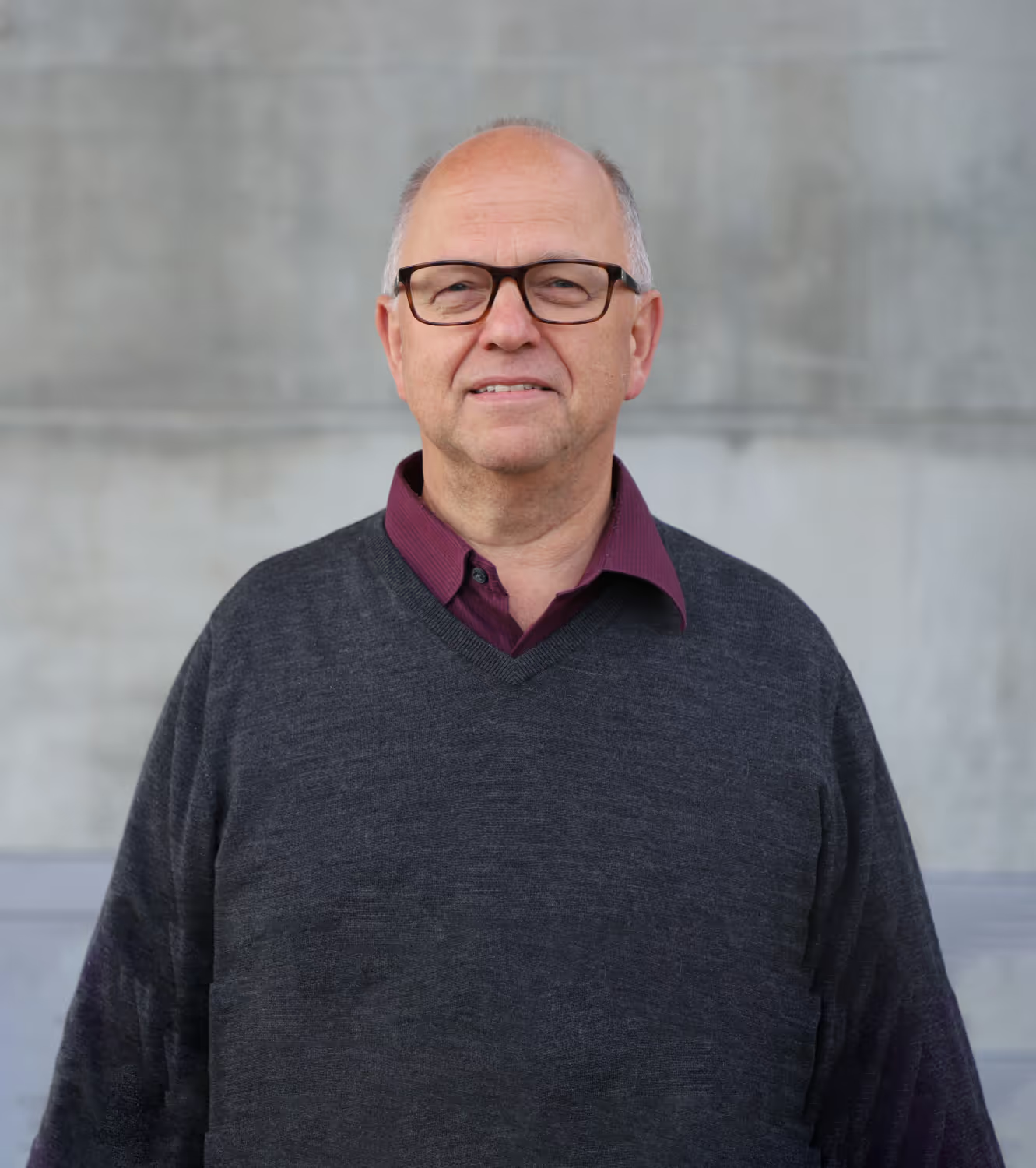
Trygg Barnung is a researcher at Møreforsking and holds a Master of Science in Environmental Physiology (1986) from the University of Bergen, specialising in marine organisms. After graduating, he worked in aquaculture at the Institute of Marine Research.
From 1990 to 2004, he served as laboratory manager at the Fisheries Directorate’s district laboratory in Ålesund, where he was responsible for chemical and microbiological analyses of fish and fishery products. He then worked as laboratory manager at Eurofins Norsk Matanalyse Ålesund from 2004 to 2009, focusing on microbiological analyses of food products.
Trygg has been employed at Møreforsking since January 2009. His main areas of work are marine biotechnology and molecular biology, and he also contributes within resource biology/capture, raw‑material processing and seafood processing.

Maria Elisabeth Brandal Berstad is a researcher at Møreforsking and holds a PhD in Pharmacy from the University of Oslo. She investigates the health effects of marine ingredients in both preclinical and clinical studies, with the overarching goal of harnessing ocean resources to improve public health.
Maria has extensive research experience from leading cancer research environments at the Norwegian Radium Hospital and MD Anderson Cancer Center in Houston, where she worked on the development of protein‑based therapeutics for the treatment of aggressive cancers. She is a co‑holder of a patent related to technology that enables personalised cancer therapy. In addition, she has clinical experience from the Hospital Pharmacy and the Cancer Department in Ålesund.
Her methodological expertise spans a broad range of molecular and cell biology techniques, including laboratory research using both cell models and animal models.

Ingebrigt Bjørkevoll is a researcher at Møreforsking and holds a Master of Fisheries Science from UiT The Arctic University of Norway, specialising in food chemistry and seafood microbiology. His work focuses on quality analysis, processing, and shelf life of seafood.
Ingebrigt has contributed to research on quality assessment and processing in the seafood industry since 1999, working with products such as salted fish, salted and dried fish, dried fish, sea cucumber, farmed fish, and pink salmon. He has led and participated in numerous projects across the value chain, building strong expertise in fisheries and raw material quality — from processing methods and product quality to seafood market development.

Julia V. Bondeli is a researcher at Møreforsking and holds a PhD in Industrial Economics and Technology Management from NTNU. Her core expertise lies in business networks in international markets.
Julia has conducted extensive research on business corruption and ethics in international business, with particular emphasis on institutional frameworks and the interaction between public and private actors in developing countries.
She has led and participated in several projects on corporate networks and industrial symbioses, and has solid experience with qualitative research methods. Julia also has in‑depth insight into the marine industry, gained through both her academic work and long professional experience in the Norwegian fish export sector.
At Møreforsking, she works on projects related to industrial networks and international business in the marine industry.

Inger Bye is a researcher at Møreforsking and holds a bachelor’s degree in Biomedical Science from NTNU Ålesund, as well as a master’s degree (MSc/“sivilingeniør”) in Mathematics and Physics from NTNU Trondheim, with a specialisation in biophysics and medical technology. In her master’s thesis, she investigated how cancer cells influence angiogenesis and blood‑vessel permeability using a chicken‑embryo model.
After completing her education, Inger worked as a biomedical scientist at the Department of Microbiology at Molde Hospital, where she primarily carried out bacteriological analyses. She also has experience as an R&D engineer at Pharma Marine, where she developed solid expertise related to marine oils.
Inger joined Møreforsking in September 2024 and is part of the research group Seafood Processing. Her work includes participating in projects that investigate the bioactivity and health‑related effects of marine ingredients in preclinical studies.

Gyda Christophersen is a researcher at Møreforsking and holds a dr.scient. degree from the Department of Biology, University of Bergen (2005). Her work focuses on the sustainable cultivation and harvesting of marine low‑trophic species such as molluscs, echinoderms and crustaceans.
Gyda has been employed at Møreforsking since August 2016. She works broadly with live seafood, fisheries and aquaculture, including integrated farming of commercially relevant invertebrates such as bivalves, sea cucumbers and decapods. Her research covers reproduction and early life stages, physiology, behaviour, growth and live storage.
She has experience from the fields of food control and processing, and has extensive laboratory and field‑based expertise. Gyda has previously served as project manager and coordinator for several EU projects benefitting SMEs. At Møreforsking she manages regional, national and international R&D projects.

Thomas Hagby Dahl is a researcher at Møreforsking and holds an MSc in Ocean Resources from NTNU. He works with raw material quality in both residual streams and resources intended for human consumption.
Since graduating, Thomas has worked at Møreforsking on raw material quality and on the utilisation of underused and emerging marine resources. He has participated in, and led, several projects related to the capture and utilisation of pink salmon, gaining extensive experience in development work, quality assessments, dissemination, and close collaboration with local industry.
In general, Thomas’ research interests revolve around raw material quality and marine resources across both fisheries and aquaculture, with a particular focus on improving value creation from diverse raw material streams.

Brede Bjerke Eiken is a PhD fellow at Møreforsking and holds a master's degree in Marine Biotechnology from UiT The Arctic University of Norway. His work focuses on marine bioprospecting, bioanalytical chemistry, and the valorisation of marine resources.
Brede joined Møreforsking after completing his studies at UiT The Arctic University of Norway, where he worked on the isolation of natural compounds for potential use in cancer treatment. He is currently pursuing his PhD in biotechnology at NTNU, investigating how the value of marine residual raw materials can be enhanced through biotechnological methods. His research includes processing of fish heads, isolation of bioactive peptides, and collagen extraction.
Through his work, Brede has established several national and international research collaborations and has also contributed to student supervision at the undergraduate level.
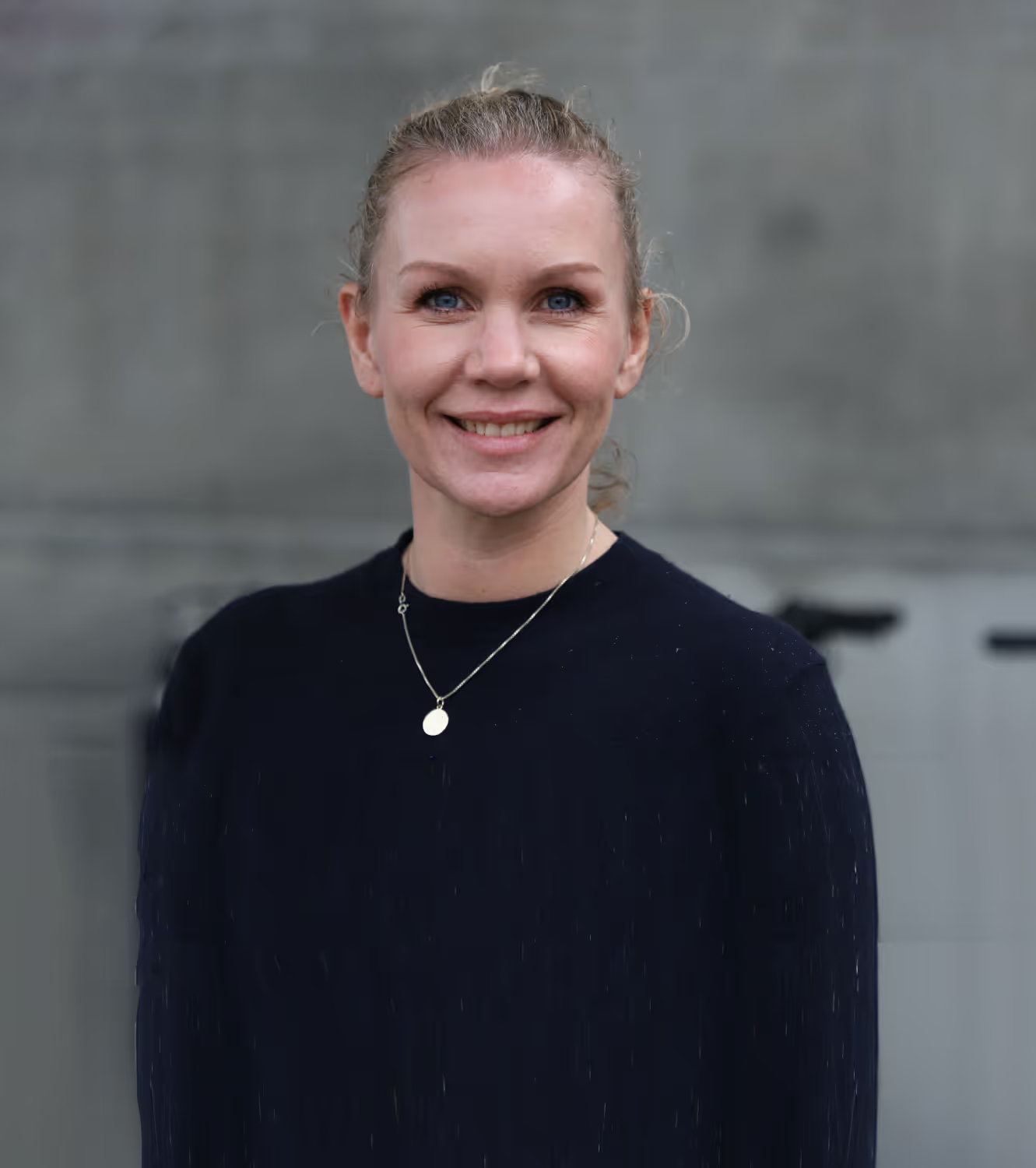
Margrete Emblemsvåg er utdannet marinbiolog fra Universitetet i Bergen i 2009 med spesialisering innen fysiologi og anatomi hos fisk. Hun har bachelorgrad innen havbruk og akvatisk biologi fra Høgskolen i Ålesund.
Margrete har tidligere arbeidet for Mattilsynet i Ålesund og Oslo innen fisk og sjømat, import, eksport og tilsyn. Før ansettelse i Møreforsking arbeidet hun i Møre og Romsdal fylkeskommune med gjennomføringen av vannrammedirektivet i vannregion Møre og Romsdal. I Møreforsking inngår hun i forskningsgruppen Bærekraftig hav og kyst der hun blant annet driver forskning innen fiskeri, akvakultur og utnyttelse av marine alger.

Susanne M. Hammerbekk is a researcher at Møreforsking and holds a bachelor’s degree in Biomarine Innovation and a master’s degree in Ocean Resources from NTNU. Her work focuses on live transport and animal welfare in marine species.
During her studies, Susanne explored both physiological and applied topics related to seafood and marine resources. Her bachelor’s thesis examined haemoglobin in cod muscle, while her master’s thesis focused on animal welfare during long‑distance live transport of red king crab.
Today, she works in the Seafood Processing research group on several projects, including developing methods for sustainable harvesting and improved utilisation of under‑commercialised species, as well as long‑haul live transport of snow crab.

Marcus Hoff Hansen is a PhD fellow at Møreforsking and holds a Bachelor's degree in Food Technology and Master of Science in Food Science from NTNU. During his bachelor's studies, he focused on value creation from residual crab raw materials using enzymatic hydrolysis.
More recently, through his master’s thesis and subsequent work as a researcher at NTNU, he has investigated non-destructive methods for quality control of raw and mildly processed salmon, and contributed to the NTNU project TraceMyFish. His research interests lie at the intersection of marine biology and technology.

Marianne Doré Hansen is a researcher at Møreforsking and holds a PhD in Molecular Medicine from NTNU in Trondheim, an MSc in Biotechnology from UiT The Arctic University of Norway, and a BSc in Chemical Engineering from Sør-Trøndelag University College.
Marianne has extensive experience in molecular and cell biology research and has led numerous regional, national and international projects. Her work includes the development of advanced laboratory technologies, establishment of new cell lines, clinical intervention studies and marine biotechnology solutions.
She is part of the Seafood Processing research group, where she contributes to both preclinical and clinical studies. Marianne leads and participates in projects that focus on documenting the health‑related effects of marine products and developing new value‑creating applications for marine ingredients.

Rikke Maria Strand Ipsen is a researcher and PhD Fellow at Møreforsking and holds a master’s degree in Marine Biology from the University of Bergen, specialising in biodiversity. She works with reproduction and growth in Norway lobster.
Etter endt utdanning har Rikke blant annet jobbet som driftstekniker i Lerøy Midt. I Møreforsking har hun deltatt i en rekke prosjekter knyttet til skalldyr, kråkeboller, koraller, alger, fiskeri og havbruk, og har opparbeidet seg solid erfaring med både felt- og laboratoriearbeid.
I dag jobber hun med doktorgradsprosjektet «Livshistorie hos sjøkreps (Nephrops norvegicus) i norske farvann», hvor hun undersøker reproduksjon, kjønnsmodning og vekst hos sjøkreps. Målet er å styrke det vitenskapelige kunnskapsgrunnlaget for en bærekraftig forvaltning av marine ressurser langs norskekysten.

Anja Landes is a researcher at Møreforsking and a trained marine biologist with a master's degree from the University of Kiel, Germany (2009). During her subsequent PhD fellowship at the Technical University of Denmark (DTU Aqua), she specialized in the physiology of farmed blue mussels.
She joined Møreforsking in January 2019 and is currently part of the Sustainable Ocean and Coast research group. Her work focuses on new marine resources, live seafood, fisheries, and aquaculture. Anja’s research explores the physiology, behaviour, and live storage of commercially important invertebrates such as mussels, sea cucumbers, and crustaceans. She has also contributed to the development of low‑impact fishing gear for the fishing industry and has extensive laboratory and field experience.
Her research interests include coastal ecosystem stability and function—particularly in the context of climate change—as well as the challenges associated with sustainable aquaculture and animal welfare.

Wenche Emblem Larssen is the Research Manager for the Seafood Processing research group at Møreforsking and holds a degree in Food Science from NMBU. Her research focuses on seafood quality, with particular emphasis on chemical and sensory evaluation of raw materials and food products.
Wenche has expertise in optimal catch handling and live transport of shellfish, where ensuring good animal welfare and reducing physiological stressors are essential for maintaining product quality.
She has authored more than 20 scientific publications on seafood quality and over 50 scientific reports. She has extensive experience in project management and research collaboration in both national and international projects.
Wenche serves as Chair of the Norwegian Sensory Network (NSN) and is the Norwegian represetative in the European Sensory Science Society (E3S). In recent years, she has also served as a judge for the NutraIngredient Awards.

Laura Latorre is a researcher at Møreforsking and holds a master's degree in Food Technology from Wageningen University in the Netherlands. Her work focuses on product development and the functional properties of food ingredients.
Laura has experience with food quality assurance and is well‑versed in GMP and HACCP systems. She has participated in projects involving biodegradable packaging and has worked as a food technologist on improving particle suspension in liqueurs. At Møreforsking, she has contributed to projects on the utilisation of rockfish residues, the functional properties of herring milt, and the development of food products based on alternative protein sources.

Sanna Matsson is a researcher at Møreforsking and holds a PhD in Marine Biology from the Department of Arctic and Marine Biology at UiT The Arctic University of Norway (2021).
Her dissertation, “Fouling of macro epibionts on cultivated Saccharina latissima (Phaeophyceae) — In situ temporal and spatial variation,” examines fouling organisms on cultivated sugar kelp, documenting their extent, species composition and seasonal dynamics along the Norwegian coast.
She has worked with multiple life stages of cultivated kelp and first developed her expertise in marine macroalgae during her master’s degree in marine biology and aquaculture at the Norwegian University of Science and Technology (NTNU) in 2013, where she focused on optimising gametophyte cultures. Sanna has shared her research through international publications, university teaching, school outreach activities and conference participation.
She joined Møreforsking in January 2022 and is part of the Sustainable Oceans and Coasts research group. Her research interests centre on the cultivation of various marine species, with a primary focus on macroalgae.

Roger Meisal is a researcher at Møreforsking and holds a PhD from the University of Oslo, as well as a master’s degree in Biotechnology from NTNU. He works within marine and coastal sustainability, with a focus on marine ecology, microbiology and biotechnology.
Roger joined Møreforsking in 2019 and has since contributed to national and international projects focusing on the sustainable utilisation of marine resources and the biotechnological application of marine biology to support human health. He has extensive experience in developing methods and conducting analyses involving PCR, real-time PCR, DNA sequencing and bioinformatics. His expertise includes microbiome analyses, the use of environmental DNA for species identification, microsatellite markers for population studies, and genome mapping and analysis.
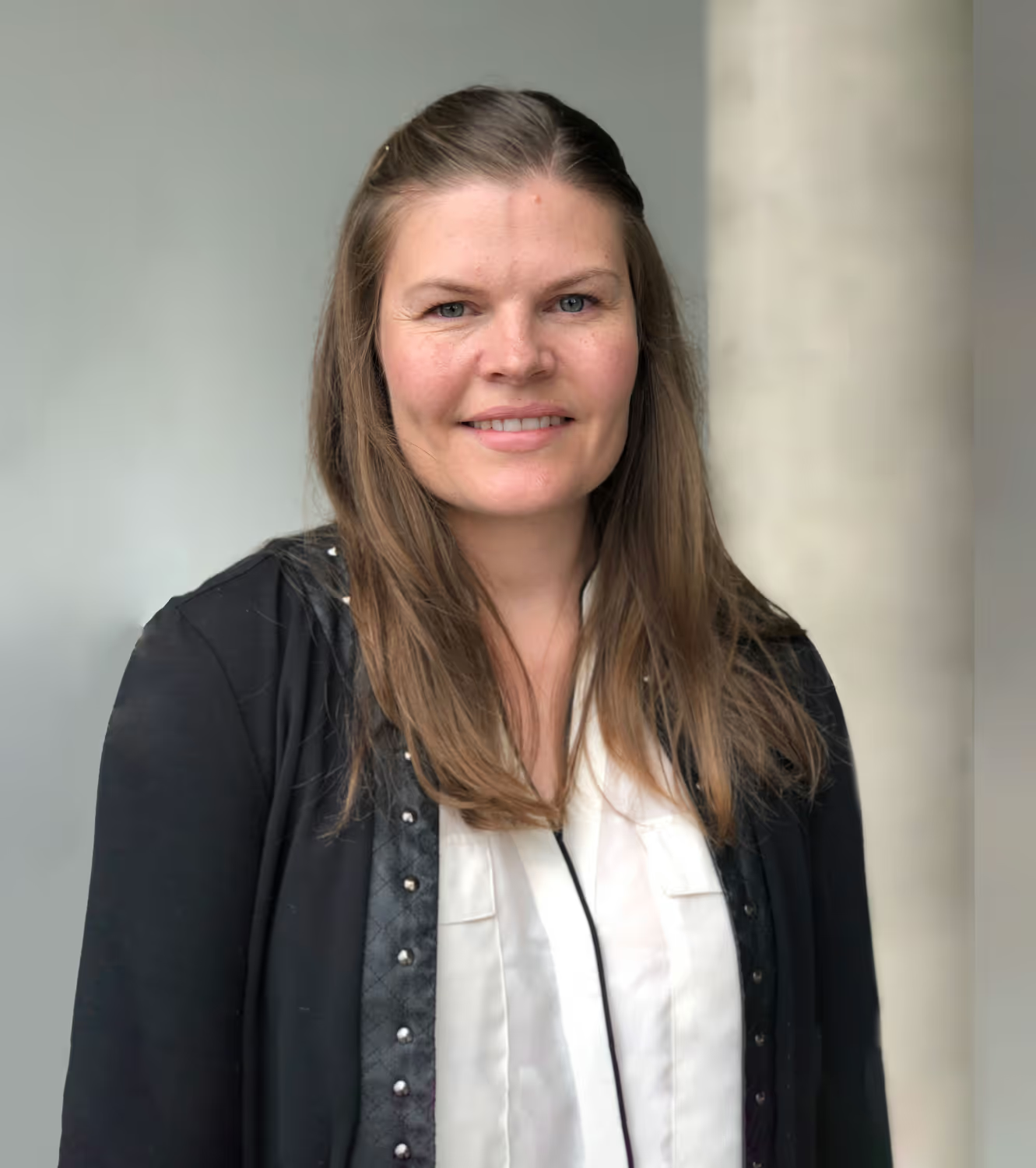
Lisa Kolden Midtbø is a researcher at Møreforsking and holds a PhD from the University of Copenhagen, where she investigated the health effects of seafood. She is also a licensed nurse and has a master’s degree in Human Nutrition from the University of Bergen.
Lisa has extensive expertise in clinical studies on the health effects of seafood, as well as experience in nutritional composition and levels of undesirable substances in food. In addition, she works with improved utilisation of marine residual raw materials. Before joining Møreforsking, Lisa held research positions at NIFES and the Institute of Marine Research in Bergen.

Jennifer Mildenberger is a researcher at Møreforsking and holds a PhD in Molecular Medicine from NTNU in Trondheim. Her doctoral work focused on the regulation of inflammatory responses in immune cells, particularly the effects of omega‑3 fatty acid supplementation.
Jennifer’s research centres on the pre‑clinical documentation of health‑related effects of marine products using biochemical and cell‑based analysis models. She has extensive experience with a variety of cell models and is proficient in a broad range of cell‑biological analytical methods. Her work contributes both to value creation from marine raw materials and to increased knowledge relevant for the management of lifestyle‑ and age‑related diseases.

Bjørn Tore Nystrand is a researcher at Møreforsking and holds a PhD in Social Sciences from the School of Business and Economics at UiT The Arctic University of Norway (2021). His doctoral thesis, "Antecedents of consumer evaluation and consumption of functional food", examines consumer behavior related to functional foods.
His research interests include consumer behavior, international seafood trade, product development, and industrial marketing (B2B). Bjørn Tore has particular expertise in multivariate data analysis, quantitative methods and structural equation modelling (SEM). Since joining Møreforsking in 2009, he has contributed to a wide range of research projects across several fields. His work spans from optimization in the production of salted and dried fish, as well as product and market development within conventional seafood, to studies of consumer behavior and marketing related to food.

Trond Roger Oskars is a researcher at Møreforsking and holds a PhD in Marine Biodiversity and Invertebrate Systematics from the University of Bergen. His work focuses on natural diversity, vulnerable marine habitats and emerging marine resources.
After completing his PhD, Trond worked in environmental management with a particular emphasis on emissions from aquaculture and wastewater, and how these affect vulnerable marine habitats. He has extensive experience in traditional taxonomy and DNA‑based species identification, as well as in mapping vulnerable species such as cold‑water corals, alien species and newly appearing species in fisheries and aquaculture, including sea urchins and tunicates.
He has been appointed to the committee for Other Marine Invertebrates for the 2027 Red List for Species, and is also active in the PCR laboratory at Campus Kristiansund.

Deepak Pandey is a researcher at Møreforsking and holds a PhD in aquatic biosciences from the Faculty of Biosciences and Aquaculture at Nord University in Norway. He also holds a master's degree in molecular medical biology from Örebro University in Sweden and a master's degree in microbiology from Tribhuvan University in Nepal.
Deepak’s scientific expertise spans animal nutrition, sustainable feed solutions, and the valorization of alternative bio-based resources. His research focuses on the use of alternative bioresources, such as marine macroalgae, insects, and other emerging ingredients for food, feed, and health-related applications. He has extensive experience in biochemical characterization of feed materials, in vitro rumen fermentation, and assessing how novel feed components affect key physiological processes—including nutrient digestibility, gut microbiome composition, and enteric methane emissions in ruminants. He has been involved in in vivo experiments in mice, sheep, and cows to investigate how targeted dietary interventions alter energy metabolism, gastrointestinal microbiota composition, growth performance, and transcriptomic regulation.
Deepak’s research interests center on enhancing the value of aquatic bioresources and industrial byproducts through innovative and energy-efficient processing techniques to develop sustainable products for the food, feed, and agricultural sectors. He is also interested in studying how environmental and industrial activities influence coastal ecosystems and aquatic biodiversity.

Céline Rebours is a researcher at Møreforsking and holds a PhD with specialization in physiology, organismal biology, population dynamics and species interactions from the University of Caen, Normandy. She is a trained biochemist, plant physiologist and marine biologist, with more than 30 years of experience in aquatic production systems across both industry and academia.
Céline's research focuses on integrated multi‑trophic aquaculture (IMTA), low‑trophic organisms and aquatic phototrophic species, particularly macro‑ and microalgae. Céline has worked extensively with sea urchins, algae and a range of other aquatic species, and has led numerous national and international research projects. She has an extensive publication record and has received several innovation awards for her contributions to applied phycology and sustainable aquaculture.

Eva García Seoane is a researcher at Møreforsking and a marine biologist with specialized expertise in the structure and dynamics of marine ecosystems. She completed her PhD in 2013 at the Institute of Marine Research in Vigo and the University of Vigo, where she focused on the biology and life history of fish.
Her expertise encompasses fish ecology, with particular emphasis on predator–prey interactions and the spatial and temporal variability of fish community structure and diversity. Eva is especially passionate about using acoustic methods to gain deeper insight into the behaviour, distribution and biomass of fish and plankton, as well as understanding the ecological drivers behind these patterns. She also has a strong research interest in life in the mesopelagic zone.
Eva has been associated with Møreforsking since 2024.

Janne holds a civil engineering degree in Biotechnology from UiT The Arctic University of Norway, with a specialisation in marine biotechnology.
Much of her work takes place in the laboratory, but she is also frequently in the field—at processing facilities, fish landing facilities, and aquaculture sites—where she participates in sampling and data collection. Her core competencies include analytical chemistry, microbiology and molecular biology.
After completing her degree in Tromsø, Janne worked at UiT The Arctic University of Norway on research involving bioactive peptides from marine and terrestrial organisms. She has also taken part in research projects related to drug transport and delivery at the Department of Pharmacy in Tromsø, and has contributed to teaching in physical pharmacy, aseptic production and biopharmacy in the pharmacy programme.
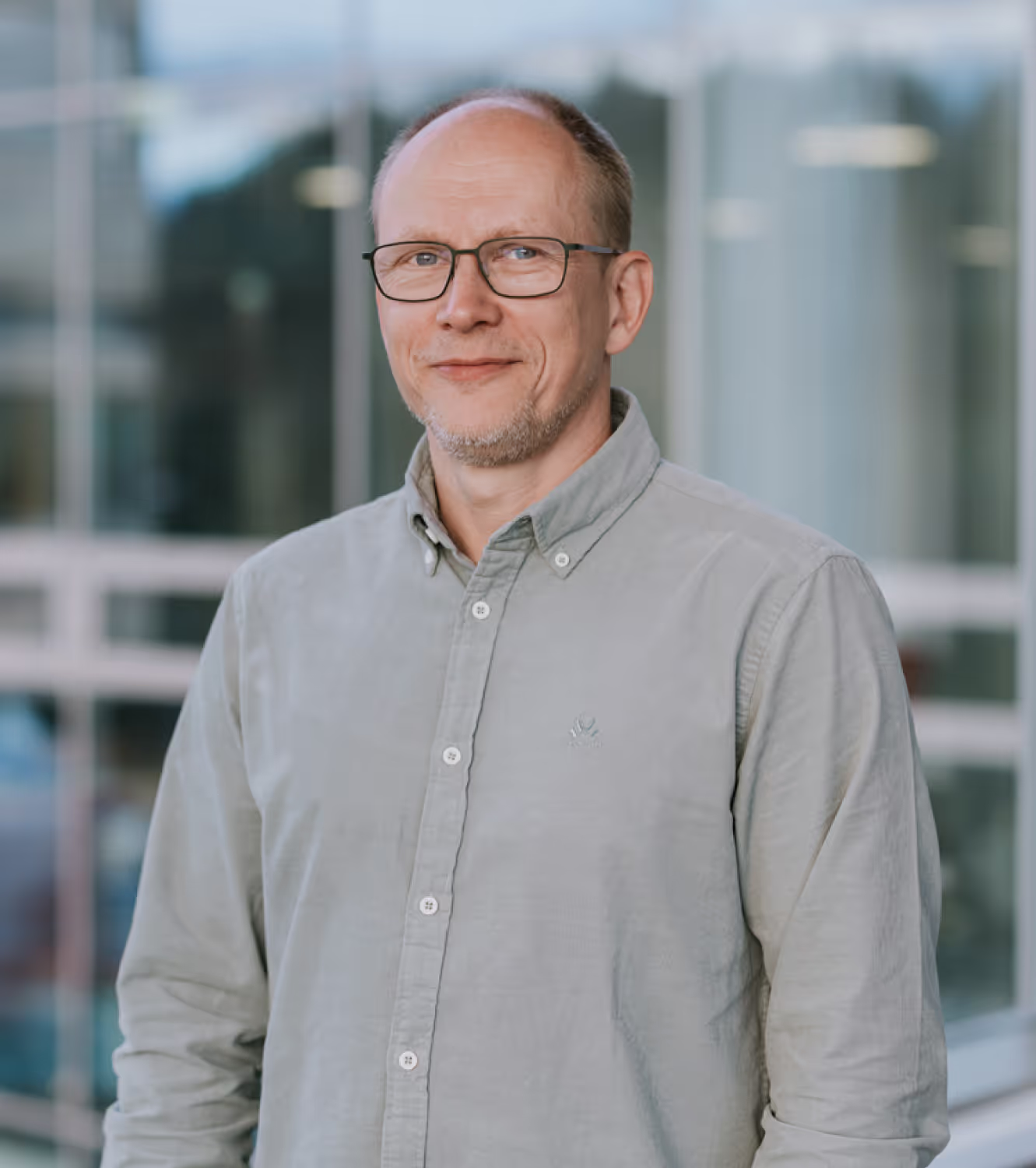
Jan Sunde is a researcher at Møreforsking and holds an MSc (siv.ing.) in Chemistry from NTNU, where he completed his diploma thesis on biological water purification at TU Delft. He also holds a PhD (Dr.scient.) in molecular biology from the University of Bergen, with a dissertation on fishmeal processing and how it affects protein digestion and protease activity in farmed salmon.
Jan’s research focuses on aquaculture‑related challenges. In recent years, his work has centred on reproduction and early life stages, development of aquaculture protocols for red sea cucumber and integrated multi‑trophic aquaculture (IMTA) systems. He has previously held research positions at the Institute of Marine Research, Geno and Cryogenetics, where the focus was product quality, protein metabolism, fertility and cryopreservation and cold storage of gametes from bulls, fish and other aquatic organisms.

Beate Julie Thu is a researcher at Møreforsking and holds a degree in Civil Engineering with specialization in Biotechnology from NTH (1990), followed by a Dr.ing degree from NTNU (1996). Her doctoral thesis, “Alginate polycation microcapsules: a study of some molecular and functional properties relevant for their use as a bioartificial pancreas”, focused on molecular and functional properties of alginate-based microcapsules for biomedical applications.
Beate is part of the research group Sustainable Ocean and Coast at Møreforsking, where she works on topics related to aquaculture and Integrated Multi‑Trophic Aquaculture (IMTA). Her research includes stress indicators in fish and shellfish, as well as the utilisation of marine residual raw materials. She has broad interests and experience across several fields, including marine polysaccharides, proteins, aquaculture, fish health, cell biology, virus–host interactions, vaccines and immunology.
Beate joined Møreforsking in 2014. Prior to this, she held several research and academic positions: senior researcher at Vaxxinova Norge AS (2011–2013), associate professor at the Norwegian School of Veterinary Science (2007–2011), researcher at the same institution (2002–2007), senior researcher at Alpharma AS, Division of Fish Health (1999–2002), researcher at the Norwegian Veterinary Institute (1997–2002), and researcher at NOBIPOL (NTH/SINTEF) (1991).

Jenny Ullgren is the Research Manager of the Sustainable Ocean and Coast research group at Møreforsking, which develops knowledge for the sustainable use and management of living marine resources. She holds a PhD in physical oceanography from the National University of Ireland, Galway.
Following her PhD, Jenny worked as a postdoctoral researcher at NIOZ (the Netherlands), the University of Bergen and the Nansen Environmental and Remote Sensing Center. Her research focused on ocean circulation, water masses and mesoscale eddies, using both field observations and remote sensing data.
From 2016 to 2024, Jenny worked at Runde Miljøsenter, where she conducted research and monitoring of coastal marine ecosystems. With her interdisciplinary marine expertise, she contributes to the development of infrastructure and methodology for marine environmental monitoring.
Do you want to collaborate with Møreforsking, or do you have questions about our publications or projects? Feel free to contact us, we are happy to help you find the solution that best meets your needs. Our researchers offer broad expertise and extensive experience across a wide range of marine disciplines.