Life history of Norway lobster (Nephrops norvegicus) in Norwegian waters
This doctoral project investigates the life history of Norway lobster in Norwegian waters to strengthen the knowledge base for sustainable management of a resource that is becoming increasingly important along the Norwegian coast.
Norway lobster (Nephrops norvegicus) is one of the most valuable shellfish resources in the Northeast Atlantic, and landings along the Norwegian coast have risen sharply in recent years. Despite this, we still know relatively little about how the species lives, grows, and reproduces in Norwegian fjords and coastal areas. Limited biological knowledge, combined with increasing fishing pressure, has created a need for better documentation to support responsible management.
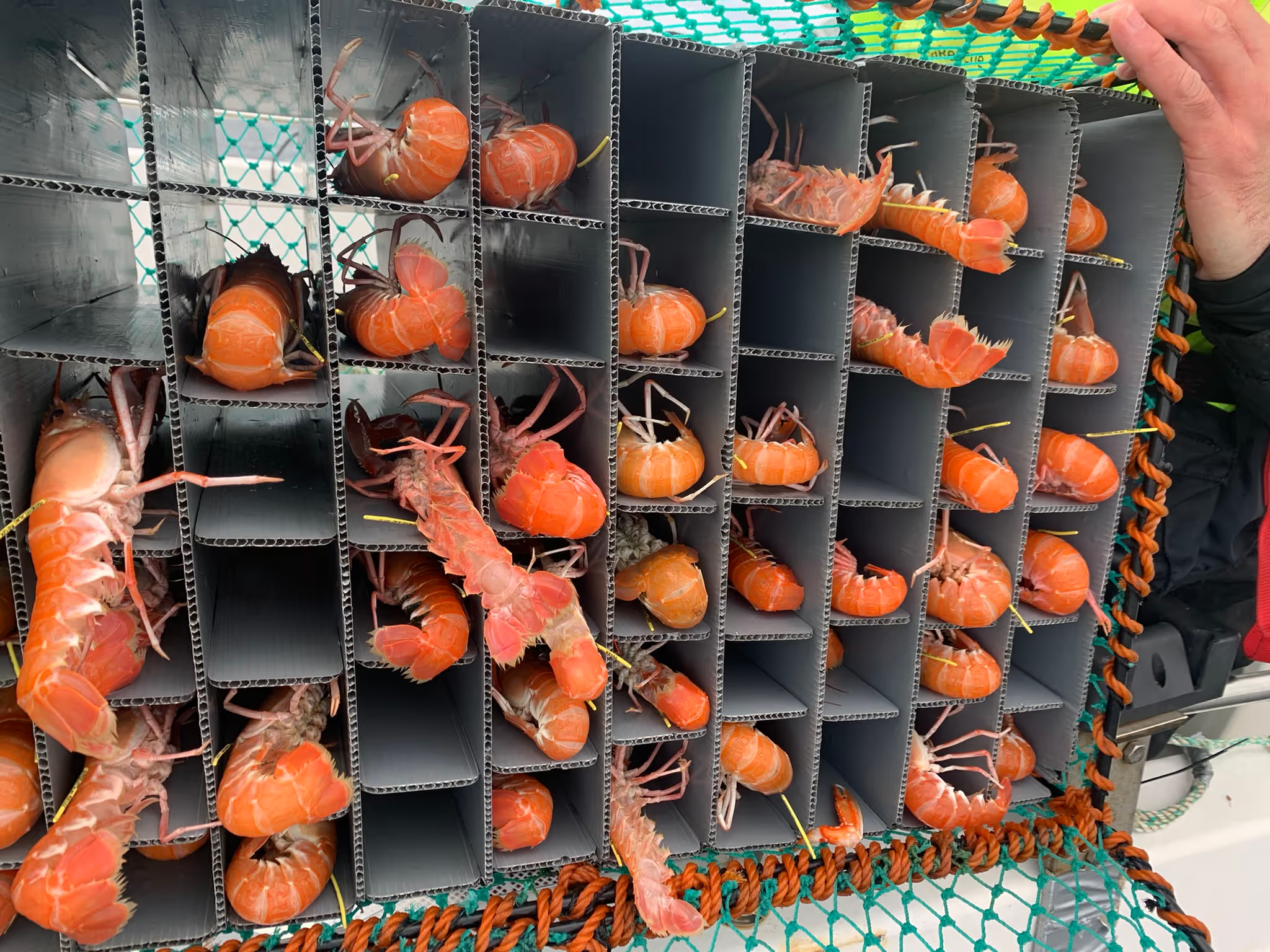
The project seeks to fill key knowledge gaps by studying reproduction, sexual maturation, and growth of Norway lobster in Norwegian waters. Through fieldwork and laboratory studies, it will characterise the annual reproductive cycle, including the timing of ovarian development, egg laying, brooding, and hatching. The project will also determine the size at sexual maturity and investigate whether this varies between regions. In addition, improved estimates of growth and moulting frequency will be developed using laboratory experiments and mark‑recapture studies.
The results will provide a stronger scientific basis for evaluating minimum size limits and other regulatory measures, contributing to more knowledge‑based and sustainable management of Norway lobster in Norway.
Contact person

Do you want to collaborate with Møreforsking, or do you have questions about our publications or projects? Feel free to contact us, we are happy to help you find the solution that best meets your needs. Our researchers offer broad expertise and extensive experience across a wide range of marine disciplines.